Source LED Light Up Beanie Hat for Winter Warmth, Events, and Safety
Explore 30 listings for the LED light up beanie hat, featuring options in acrylic and cotton with varying customization and lighting styles. Buyers can compare specifications like size, material, and production lead times to find suitable suppliers for winter warmth, events, or safety applications.
Key considerations
Products List


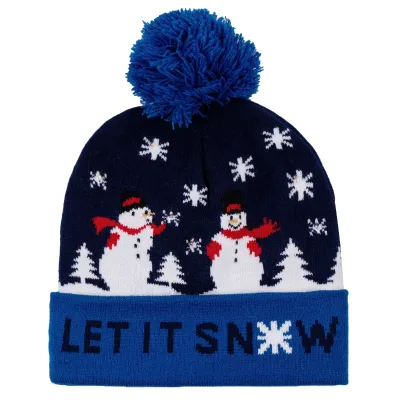


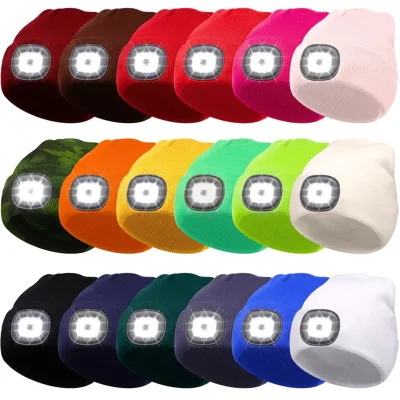


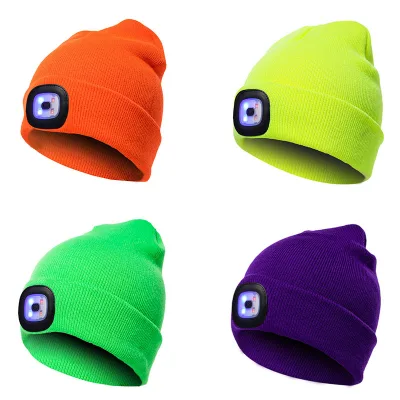
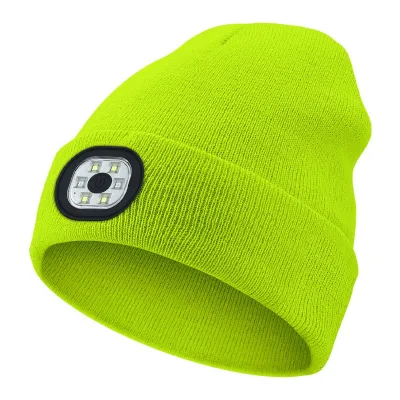


Comprehensive Sourcing Guide
Strategic Sourcing Guide for LED Light Up Beanie Hats
Procuring LED light-up beanies requires a nuanced approach that balances festive functionality with rigorous safety compliance. The market for these items is driven by seasonal demand, particularly for winter events, concerts, and promotional campaigns. However, the integration of electronic components into textile products introduces specific technical and regulatory complexities that distinguish this category from standard headwear. Buyers must navigate a landscape where material composition, battery safety, and lighting performance are as critical as the aesthetic design. This guide outlines the essential factors for sourcing these items effectively, relying on verified product attributes and industry standards to mitigate risk.
Technical Specifications and Material Composition
The foundation of a reliable LED beanie lies in its material composition and the integration of the lighting system. While standard beanies often utilize wool or synthetic blends, the specific product data indicates a prevalence of 100% Acrylic and 100% Cotton options. Acrylic is frequently preferred for its ability to retain heat and its durability in winter conditions, making it suitable for the "Keep Warm" application noted in product attributes. Conversely, cotton options may be selected for summer variations or specific texture preferences, though the "Winter" season designation is more common for LED-integrated models.
The construction of the hat must accommodate the electronic components without compromising comfort. Attributes such as "With Crown" and "Without Brim" define the silhouette, while the "Dobby" or "Striped" patterns suggest specific weaving techniques that may affect the placement of wiring. The lighting system itself is a critical specification. The product model "2023ZT034" is explicitly described as a "Beanie hat with charged LED light," indicating a rechargeable power source rather than disposable batteries. This distinction is vital for long-term usability and environmental compliance. The size specifications typically range from 55cm to 60cm, with a standard adult fit noted as 56-60cm. Buyers should verify that the internal wiring is flexible enough to withstand the stretching of the fabric during wear, particularly in styles labeled as "Fashion" or "Warm Keeping."
Compliance and Certification Verification
Safety is the paramount concern when sourcing products that combine electricity with close-contact apparel. The presence of an LED light and a battery pack necessitates strict adherence to international safety standards. The provided data lists "SGS" and "ISO" certifications as available attributes. These are not merely marketing terms but indicators of third-party verification. SGS certification often covers material safety and product performance, while ISO standards (such as ISO 9001 for quality management) suggest a structured production process.
However, buyers must go beyond the listed certifications to verify specific electrical safety compliance. For LED products, the International Electrotechnical Commission (IEC) standards are relevant, particularly regarding low-voltage safety and battery protection. The "Charged LED light" feature implies the use of Lithium-ion or similar rechargeable cells, which are subject to strict transportation and usage regulations. Buyers should request test reports confirming that the battery does not overheat during charging or operation and that the voltage remains within safe limits for consumer electronics. Additionally, the "SGS" mention should be cross-referenced with specific test reports for the finished product, ensuring the entire assembly, not just the raw materials, meets safety thresholds.
Cost Drivers and Pricing Dynamics
The pricing of LED beanies is influenced by several distinct factors beyond the base cost of the fabric. The observed price range in the market spans from $0.65 to $6.60, a significant variance that reflects differences in quality, complexity, and order volume. The lower end of this spectrum typically corresponds to basic models with simple lighting functions, potentially using lower-grade acrylic or simpler battery housings. The higher end often includes advanced features such as multiple lighting modes, higher-quality rechargeable batteries, or more complex embroidery patterns like "Checked" or "Embroidered" designs.
The Minimum Order Quantity (MOQ) is another critical cost driver. The data indicates an MOQ range of 5 to 1000 units. Small orders, such as those starting at 5 units, often carry a higher unit cost due to the setup fees for custom embroidery and the handling of small production batches. Conversely, bulk orders approaching 1000 units benefit from economies of scale, reducing the per-unit cost significantly. The "Production Leadtime" of 20-25 days for standard orders, compared to a "Sample Time" of just 3 days, also impacts cost planning. Rush orders or expedited shipping will inevitably increase the total landed cost. Buyers must balance the desire for low unit prices against the necessity of maintaining quality control and meeting delivery deadlines.
Typical Applications and Market Segmentation
LED light-up beanies serve a diverse range of applications, from personal festive wear to large-scale corporate branding. The "Use" attribute explicitly lists "LED" and "Keep Warm," highlighting the dual function of these products. They are ideal for winter sports, outdoor festivals, and holiday celebrations where visibility and warmth are required. The "Unisex" and "Adults" designations suggest a broad consumer base, while "Children" specific models indicate a niche market for family events or school activities.
The "Customization" availability is a key driver for B2B procurement. Many buyers utilize these hats for promotional campaigns, where the "Logo" can be applied via "Embroidery." This allows companies to brand the product effectively while providing a functional gift. The "Department: Hat" classification confirms their primary use as headwear, but the "Fashion" feature suggests they are also marketed as style accessories. Buyers should consider the target demographic when selecting the style; for instance, "Striped" or "Colourful" patterns may appeal to younger audiences, while "Plain Dyed" or "Checked" styles might suit a more mature or corporate market. The "Brand" name "Capwindow" or "Sn Beanie Hat" indicates that some suppliers operate under their own brand names, while others offer white-label options for customization.
Supplier Evaluation and Production Capabilities
Selecting the right supplier requires a thorough evaluation of their production capabilities and business model. The data identifies the "Business Type" as "Manufacturer," which is preferable for buyers seeking direct pricing and control over the production process. Manufacturers often have better control over the integration of the LED components compared to trading companies. The "Origin" is listed as "China," with specific mentions of "Dongguan," a region known for its textile and electronics manufacturing clusters. This location suggests access to a robust supply chain for both fabric and electronic components.
When evaluating suppliers, buyers should verify the "Production Leadtime" of 20-25 days against their own schedule. The "Sample Time" of 3 days is a positive indicator of responsiveness. However, the "MOQ" flexibility is crucial; some suppliers offer stock availability with an MOQ of 100 pieces, while others require higher volumes. Buyers should also assess the "Production Style," which is described as "Warm Cap," ensuring the supplier specializes in winter headwear. The "Packing" details, such as "1PC/1OPP" or "10PCS / Polybag, 250PCS / Carton," provide insight into the supplier's logistics capabilities. Standardized packing is essential for efficient shipping and inventory management.
Quality Control and Inspection Protocols
Quality control (QC) is essential to ensure that the LED functionality and the textile integrity meet expectations. The "Feature" list includes "Fashion" and "Warm Keeping," which are subjective but can be verified through physical inspection. Buyers should implement a QC protocol that checks the stitching quality, particularly around the areas where the LED components are embedded. The "Pattern" and "Style" attributes, such as "Embroidered" or "Dobby," require visual inspection to ensure consistency and color accuracy.
For the electronic components, functional testing is mandatory. Each unit should be tested to ensure the LED lights up correctly, the battery charges fully, and the device remains functional after repeated use. The "Standard" of "28*19cm" or "56-60cm" must be verified to ensure the hat fits the intended user. The "Weight" of 50g is a useful benchmark; significant deviations may indicate the use of inferior materials or excessive battery weight. Buyers should also verify the "Certification" documents, ensuring they are current and applicable to the specific batch of goods. Third-party inspection services can provide an unbiased assessment of the product quality before shipment.
Long-Term Procurement Considerations
Sourcing LED beanies is not a one-time transaction but part of a long-term supply chain strategy. The "Production Leadtime" of 20-25 days requires careful inventory planning to avoid stockouts during peak seasons. Buyers should consider the "Sample Time" of 3 days for rapid prototyping and design iterations. The "Customization" options allow for brand differentiation, but buyers must ensure that the "Logo" application process is consistent across batches.
Sustainability is also becoming a critical factor. The use of "100% Acrylic" or "100% Cotton" should be evaluated for environmental impact. Acrylic is a synthetic fiber, while cotton is natural; buyers may prefer suppliers who can provide information on the sourcing of these materials. The "Charged LED light" feature reduces waste compared to disposable battery models, aligning with eco-friendly initiatives. Finally, maintaining a strong relationship with the manufacturer ensures better support for after-sales service, warranty claims, and future product development. By focusing on these long-term aspects, buyers can build a resilient supply chain that delivers value over time.
FAQs
What certifications do led light up beanie hat manufacturers hold?
Manufacturers typically hold SGS and ISO certifications for these products. These standards verify material safety and quality management processes. Buyers should request specific test reports for the LED components to ensure electrical safety compliance before placing orders.
How long is the production lead time for custom orders?
The standard production lead time ranges from 20 to 25 days for custom orders. Sample creation takes approximately 3 days, allowing for quick design validation. Expedited shipping or rush orders may incur additional costs beyond the standard timeline.
Can I customize the logo on the led light up beanie hat?
Yes, logo customization is available via application embroidery on the product. This allows for branding on styles like striped or checked patterns. Buyers should confirm the specific embroidery method and placement during the design phase to ensure clarity.
What is the minimum order quantity for these beanies?
The minimum order quantity varies between 5 and 1000 units depending on stock availability. Some suppliers offer stock items with an MOQ of 100 pieces, while custom runs may require higher volumes. Lower MOQs often result in higher per-unit costs.
Which materials are used for the led light up beanie hat?
Products are commonly made from 100% Acrylic or 100% Cotton materials. Acrylic is preferred for winter warmth and durability, while cotton offers different texture options. The material choice impacts the hat's ability to retain heat and withstand electronic integration.
Where are the led light up beanie hat factories located?
Factories are located in China, with specific manufacturing hubs in Dongguan. This region provides access to a robust supply chain for both textile and electronic components. Buyers should verify the exact factory location to assess logistics and shipping efficiency.
What is the price range for led light up beanie hats?
The observed price range spans from 0.65 to 6.6 USD per unit. Pricing depends on complexity, material quality, and order volume. Higher prices often reflect advanced lighting features or premium customization options compared to basic models.